After 40, your body changes, and finding clothes that fit well can feel tricky. This guide helps you understand how to dress for your shape, whether you’re pear-shaped, apple-shaped, hourglass, rectangle, or inverted triangle. The key is to focus on proportions, not size, and choose styles that highlight your best features while balancing your overall silhouette.
Key Takeaways:
- Body Shapes: Identify your shape (pear, apple, hourglass, rectangle, or inverted triangle) by measuring your shoulders, bust, waist, and hips.
- Proportions Matter: Balance your look with clothing that complements your natural shape and vertical proportions (torso vs. leg length).
- Best Styles:
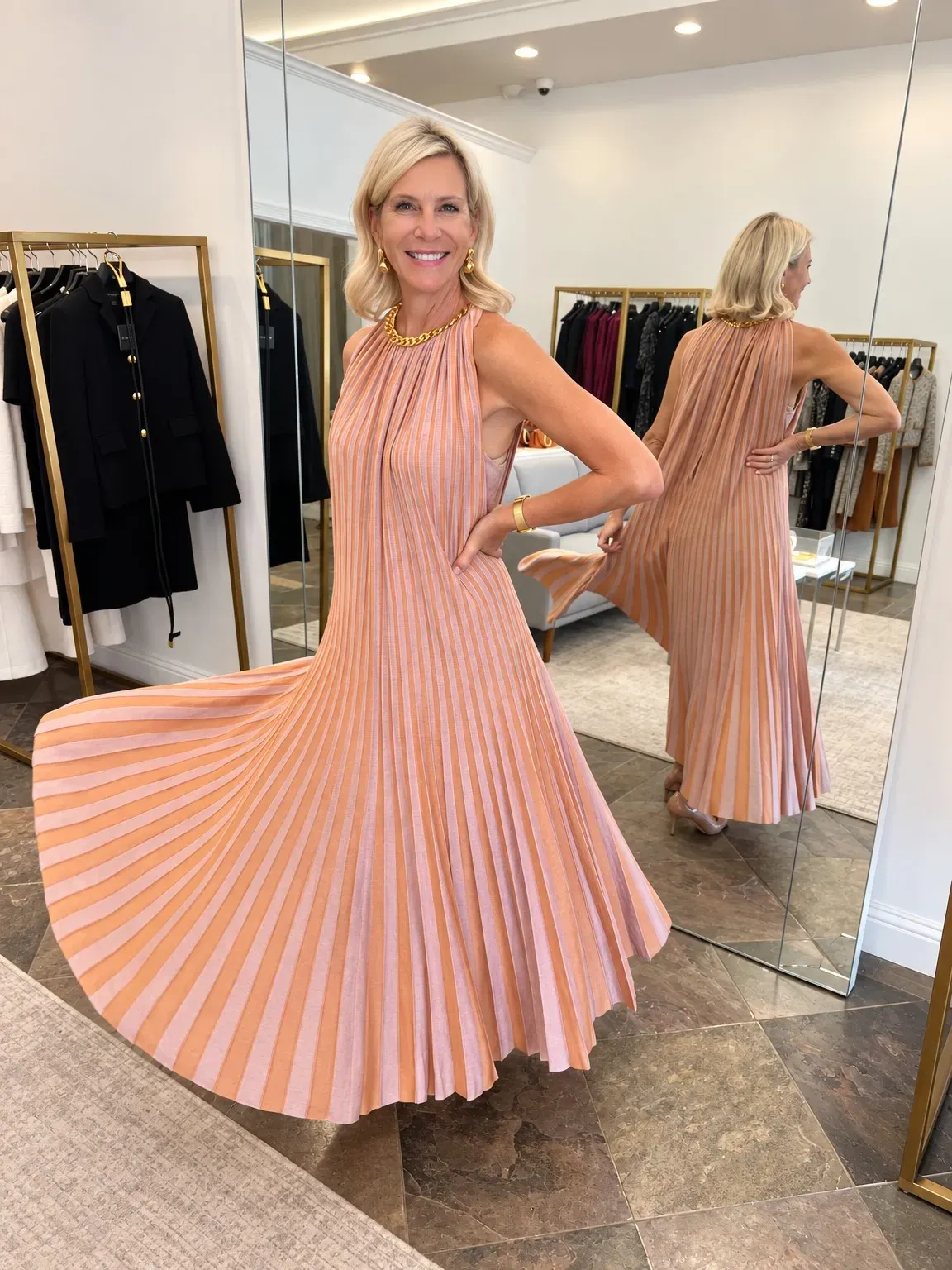
- Dresses: A-line and fit-and-flare work for most shapes.
- Skirts: Midi and maxi skirts elongate and refine your silhouette.
- Tops: Choose necklines and sleeves that balance your figure.
- Pants: High-waisted, wide-leg, or slim-fit styles can enhance your look.
- Styling Tips: Use tucking, belting, and monochromatic outfits to create definition and elongate your frame.
By choosing well-fitting, proportionate pieces and using simple styling techniques, you can build a wardrobe that reflects your current self and boosts your confidence.
Most Flattering Dress Styles for Women Over 40 | Best Spring Dress Finds 2025
sbb-itb-9502fca
Body Shapes and Proportions Explained
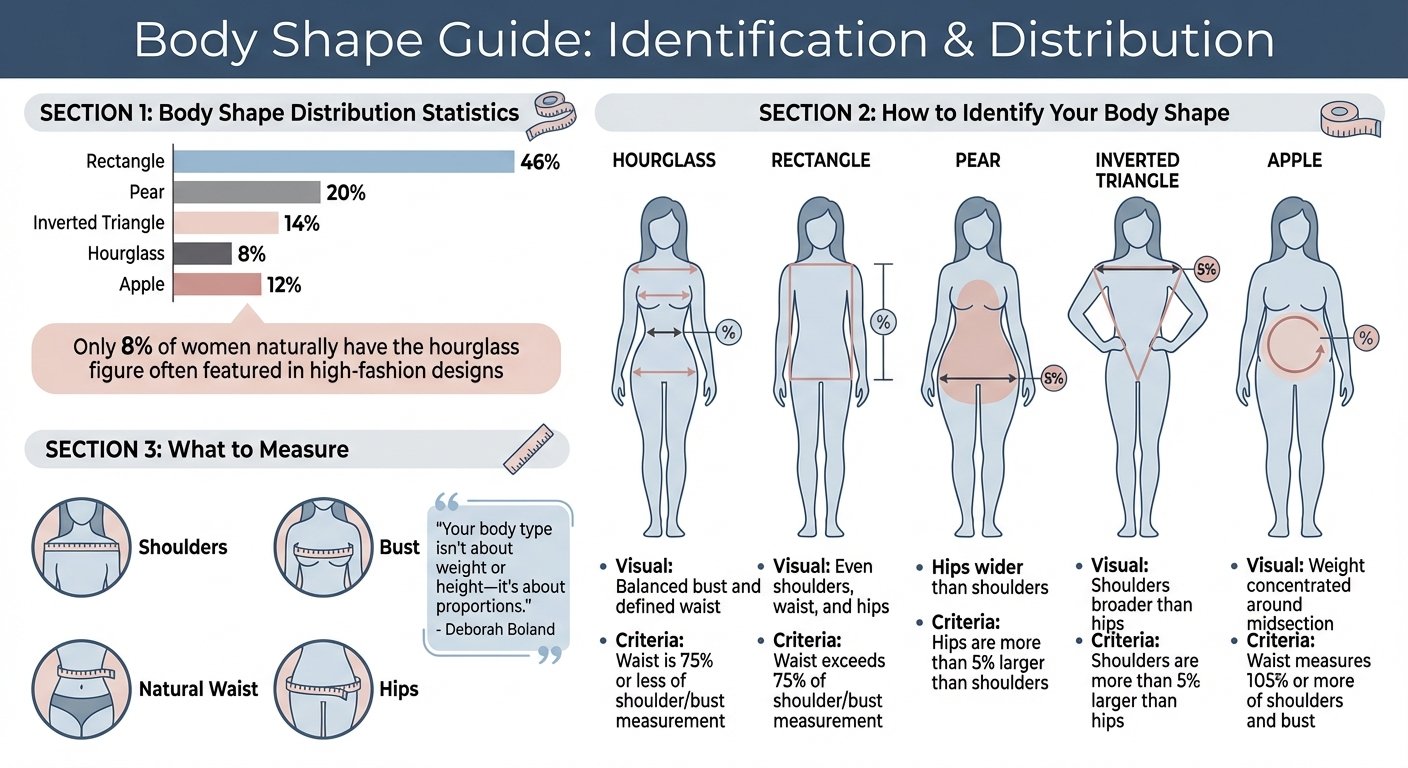
Body Shape Distribution and Identification Guide for Women Over 40
Women’s bodies generally fall into one of five categories: Pear (hips are wider than shoulders), Inverted Triangle (shoulders are broader than hips), Hourglass (bust and hips are balanced with a defined waist), Rectangle (shoulders, waist, and hips are evenly proportioned), and Apple (weight is concentrated around the midsection).
Interestingly, only about 8% of women naturally have the hourglass figure often featured in high-fashion designs. Meanwhile, 46% of women have a rectangular shape, 20% are pear-shaped, and 14% fall into the inverted triangle category. Knowing these statistics can help you better understand where your own body type fits in.
How to Identify Your Body Shape
To determine your body shape, measure four key areas: your shoulders, bust, natural waist, and hips. Make sure to wear fitted clothing and use a full-length mirror to check your proportions.
Here’s how to interpret your measurements:
- If your waist is 75% or less of your shoulder or bust measurement, you have an hourglass shape.
- A waist measurement exceeding 75% of your shoulder or bust indicates a rectangular shape.
- If your hips are more than 5% larger than your shoulders, you’re a pear shape. On the flip side, if your shoulders are more than 5% larger than your hips, you’re an inverted triangle.
- A waist that measures 105% or more of your shoulders and bust suggests an apple shape.
These measurements not only clarify your body shape but also guide you in choosing styles that enhance your natural proportions.
Why Proportions Matter
Once you’ve identified your body shape, you can use clothing to create visual balance. As Deborah Boland, founder of Fabulous After 40, explains:
"Your body type isn’t about weight or height – it’s about proportions."
For example, if you have broad shoulders, wearing A-line skirts can add volume to your lower half, balancing your silhouette. On the other hand, if your hips are wider, tops with statement sleeves or boat necklines can shift attention upward.
It’s also important to consider your vertical body type, which is determined by the ratio of your torso length to your leg length. Whether you have a long torso and shorter legs, or vice versa, this ratio influences where hemlines and waistlines should fall to create the most flattering look.
Best Dress and Skirt Styles
Understanding how proportions work can help you choose dresses and skirts that highlight your natural shape. The right silhouette not only boosts your confidence but also adds a polished touch without sacrificing comfort. Let’s dive into some styles that suit different body types and make you feel your best.
A-Line and Fit-and-Flare Dresses
A-line dresses are a go-to for a reason – they flatter nearly every body type. With a fitted top that gradually flares out from the waist, they create a classic "A" shape. As Beth Djalali, Founder and CEO of Style at a Certain Age, puts it:
"The A-line dress… simple yet elegant design is what makes the A-line dress so perfect for any body type. Its flowy skirt can camouflage wider hips or thighs, while its fitted top can highlight a smaller waist."
Fit-and-flare dresses take this design up a notch, featuring a more defined waist seam and a fuller skirt. These dresses are perfect for creating curves on straighter figures, balancing broader shoulders, or giving apple shapes a more defined waist – especially when paired with a V-neckline.
To get the most out of these styles, ensure the bust and shoulders fit snugly, and the waist seam sits right at your natural waist. For fabrics, structured materials like cotton, tweed, or wool offer a polished vibe, while softer options like chiffon or jersey add movement and volume.
For footwear, pointed-toe pumps or block heels can dress things up, while sneakers or strappy sandals keep the look casual and fresh.
Midi and Maxi Skirts
Midi skirts, which fall just below the knee, are great for elongating your legs and refining your overall silhouette. To keep the look balanced, pair them with a small heel, such as pumps or ankle boots.
Maxi skirts provide more coverage and create a sleek, streamlined effect. They’re ideal for staying on-trend while subtly concealing areas you might not want to highlight. A fuller maxi skirt pairs beautifully with a fitted top to maintain proportion, while a pencil-style maxi works well with a looser blouse to avoid a boxy appearance.
Here’s a quick guide to matching skirt styles with body shapes:
| Body Shape | Best Skirt Style | Pairing Tip |
|---|---|---|
| Pear | A-line, Fit-and-Flare | Fitted tops balance wider hips |
| Apple | Empire Waist, A-line | V-necks elongate the torso |
| Hourglass | Pencil, Wrap | Add a belt to highlight the waist |
| Rectangle | Peplum, Tiered, A-line | Define the waist with seams |
| Inverted Triangle | Full flared skirts | Add volume to the lower body |
If you’re on the petite side, consider slightly shorter lengths to maintain better proportions. A one-third to two-thirds balance often enhances your silhouette. Fabric choice also plays a big role – look for materials like silk, cotton, linen, or cashmere that drape beautifully without clinging.
Flattering Tops and Layering Pieces
Tops and layers can completely change your look by adding structure and balance to your outfit. According to fashion stylist Todd Ramos, the neckline often sets the tone for a successful outfit. By understanding how necklines, sleeves, and layers work together, you can create polished, flattering looks that suit your body shape.
Necklines and Sleeves That Flatter
Your neckline choice plays a big role in shaping your appearance. It can elongate your neck, balance your shoulders, and draw attention upward. For example, V-necks and deep scoop necks create vertical lines that slim the upper body, making them great for apple-shaped figures or those with shorter torsos. These necklines expose more skin, which extends the line of your neck, creating a taller, slimmer effect.
If you have broad shoulders, halter or V-neck styles can soften the shoulder line, while boat necks or styles with heavy shoulder pads can make shoulders look wider. For pear-shaped figures, wider necklines like boat necks or off-the-shoulder styles help balance wider hips by adding volume to the upper body. Meanwhile, if you have a shorter neck, cowl necks or variations of V-necks that expose more skin can give the illusion of length.
Sleeves are just as important as necklines. Three-quarter sleeves are often the most flattering since they end at the forearm’s slimmest part, offering coverage while keeping the look refined. If you’re trying to downplay broad shoulders or a fuller bust, avoid cap sleeves, as they can make these areas appear wider. For long sleeves, scrunching them to three-quarter length can add a touch of polish to your outfit.
These thoughtful choices in necklines and sleeves set the stage for layering pieces that bring structure to your look.
Blazers, Jackets, and Cardigans
Once you’ve nailed the basics, structured layers can define your shape and pull your outfit together. A good rule of thumb is the "3-Layer Rule": start with a fitted base layer (like a camisole or tee), add a stylish middle layer, and finish with a structured outer layer.
Blazers are a fantastic way to add definition to your shoulders and waist. Pair them with flowing tops or dresses for balance. Make sure your blazer fits well at the shoulders and buttons properly at the front, even if you wear it open. For pear-shaped figures, a blazer with strong shoulders can balance wider hips, while hourglass shapes look amazing in fitted or belted styles that highlight the waist. If you’re apple-shaped, open cardigans are a great choice – they create vertical lines that skim over the midsection for a streamlined effect.
When layering, opt for lightweight, structured fabrics like merino wool, cashmere, or silk to avoid adding bulk. A belt over a cardigan or a tailored jacket with a cinched waist can help maintain your shape, even with multiple layers. And remember: if one layer is oversized or voluminous, keep the others fitted to maintain balance.
| Body Shape | Best Layering Tips |
|---|---|
| Pear | Blazers with strong shoulders to balance hips |
| Apple | Open cardigans or long vests to streamline the midsection |
| Hourglass | Fitted blazers or belted coats to emphasize the waist |
| Rectangle | Belted jackets to create a defined waistline |
| Inverted Triangle | Single-breasted jackets without shoulder pads |
Pants and Bottoms for Different Body Types
After exploring dresses and tops, it’s time to focus on bottoms. The right pants can balance your proportions and highlight your best features. The secret lies in choosing cuts that complement your natural shape instead of working against it. As style expert Sarah Kelly from The Haute Homemaker wisely says:
Great style doesn’t come from having more clothes – it comes from having the right ones.
Wide-Leg, Slim Fit, and High-Waisted Styles
Wide-leg pants can work for everyone when tailored properly. For pear-shaped figures, high-waisted bootcut or wide-leg trousers in darker washes are a smart choice. These styles gently skim over wider hips, creating a balanced look. Sylvia, the founder of 40+ Style, emphasizes:
The most flattering style for a pear shape is a dark wash, bootcut with a high waist.
If you have an apple shape, straight-leg or slim-fit pants with stretch panels are ideal. These designs provide tummy support while drawing attention to slimmer legs. Mid-rise cuts often add comfort around the midsection.
For hourglass bodies, high-waisted, wide-leg, or bootcut pants showcase a well-defined waist and naturally balanced proportions. Rectangle-shaped figures benefit from styles like paperbag waists, cargo pants with side pockets, or flared designs. These add volume and create the appearance of curves. Meanwhile, inverted triangle shapes should lean toward wide-leg, palazzo, or cargo pants with hip details to balance broader shoulders by adding volume to the lower half.
When wearing wide-leg pants, tailor the hem while wearing your shoes. The hem should cover the heel without dragging on the floor. Pairing these pants with pointed-toe shoes or heels can further elongate the legs, especially when combined with high-waisted styles.
These thoughtful choices in cuts and fits can help create a polished and balanced outfit.
Creating Balance with Bottoms
High-waisted bottoms paired with fitted tops are a great way to elongate your frame. Certified image stylist Elizabeth Kosich notes that high-waisted pants make your legs appear longer and create a sleek, streamlined silhouette.
To achieve balance, try pairing voluminous bottoms with a tucked-in or fitted top to emphasize your waist. For an even more elongated look, consider monochromatic styling – wearing one color from head to toe creates a continuous vertical line, helping you appear taller and slimmer. Another practical tip is the "3-Outfit Rule": ensure any new pants you buy pair well with at least three tops you already own.
| Body Shape | Best Pant Styles | Styling Goal |
|---|---|---|
| Pear | Bootcut, Wide-leg, Straight-leg (dark wash) | Balance hips and elongate legs |
| Apple | Straight-leg, Slim-fit, High-rise with stretch | Highlight legs and support midsection |
| Hourglass | High-waisted, Flare, Wide-leg | Emphasize defined waist |
| Rectangle | Paperbag waist, Cargo, Flared | Create illusion of curves |
| Inverted Triangle | Palazzo, Wide-leg, Cargo (with hip pockets) | Add volume to lower body |
Styling Techniques for Better Fit
Pairing the right styling techniques with your outfit choices can elevate your look and refine your overall silhouette. Simple tricks like tucking, belting, and choosing the right colors can work wonders in creating balance and definition.
Belting and Tucking Methods
As wide-leg pants continue to dominate trends, pairing them with a tucked or belted top helps maintain proportion and prevents your outfit from looking overwhelming. The key is knowing which tucking or belting style works best for your body shape.
For those with a defined waist (like hourglass, pear, or triangle shapes), a full tuck emphasizes your narrowest point beautifully. If your waist is less defined or you carry more weight in your midsection, opt for a softer approach like "blousing." This involves tucking your top in and letting the fabric drape gently over the waistband, creating a relaxed yet polished look.
The French tuck – tucking just the front center of your shirt while leaving the sides and back loose – is a universally flattering option. It highlights the waist without clinging to the midsection. For a more casual vibe, try the half tuck, where you tuck in only one side of a button-down shirt. This asymmetrical style breaks up the horizontal line at your hips for a playful and relaxed feel.
When it comes to belts, placement is everything. If you carry weight around your middle, positioning the belt slightly above your belly’s widest point can create a more flattering look. Matching your belt to your top elongates the torso, while matching it to your pants gives the illusion of longer legs. As beauty and style editor Lois Joy Johnson suggests:
Instead of changing clothes, just sling on a belt at the waist or hip to suggest a firmer silhouette lies beneath.
One tip to keep in mind: using a belt or tuck in a contrasting color can create a horizontal line, which might make your frame appear wider. For a slimming effect, stick to a "column of color" by matching your top and bottom.
Working with Color and Patterns
Beyond tucking and belting, your choice of colors and patterns can further enhance your figure. Monochromatic dressing – wearing the same color from head to toe – creates a seamless vertical line, making you appear taller and more streamlined. Shades like navy, black, gray, or cream deliver a polished, cohesive look.
If you’re looking to downplay certain areas, busy prints can work in your favor. Patterns distract the eye and can help minimize areas you’re less confident about. Sylvia, founder of 40+ Style, explains:
Wearing a print is a great way to ‘confuse’ the eye and disguise a belly.
Bright colors and bold patterns can also be used strategically to draw attention to your best features. For example, a colorful scarf or statement necklace directs focus to your face, while vibrant shoes can highlight your legs. For pear-shaped figures, lighter or patterned tops paired with darker bottoms balance out wider hips. Conversely, inverted triangle shapes benefit from brighter colors or prints on the lower body to add volume and balance broader shoulders.
When layering, stick to pieces within the same color family to maintain a streamlined appearance. Avoid breaking up your outfit with a color change at the widest part of your hips or stomach, as this can draw unwanted attention to those areas.
Diagonal lines are another clever styling trick – they create a slimming effect by breaking up your silhouette. If you want to add curves to a rectangular frame, horizontal stripes or bold prints on your upper body can create that illusion. On the other hand, darker colors tend to recede visually, so use them on areas you’d like to downplay.
| Styling Goal | Technique | Application |
|---|---|---|
| Define Waist | Full tuck or belt | Ideal for hourglass, pear, and triangle shapes |
| Soften Midsection | Blousing or French tuck | Great for apple and rectangle shapes |
| Elongate Frame | Monochromatic dressing | Suitable for all body types |
| Balance Proportions | Strategic color placement | Light tops for pears; light bottoms for inverted triangles |
| Disguise Concerns | Busy prints or patterns | Use on areas you want to minimize |
Conclusion
Your ideal silhouette starts with understanding your body’s proportions. Dressing confidently after 40 isn’t about rigid rules – it’s about choosing pieces that make you feel amazing. Whether it’s an A-line dress, wide-leg pants, or a sharply tailored blazer, the goal is to balance proportions and highlight your natural beauty.
Focus on proportions, not size. Techniques like the Rule of Thirds, adding a belt to define your waist, or opting for monochromatic outfits can make a big difference. Even small tweaks, like rolling up your sleeves or tucking in a shirt, can add a polished touch and create a flattering shape.
The most stylish women over 40 embrace clothing that brings them joy and confidence rather than sticking to outdated “rules.” Your wardrobe should reflect who you are today. Experiment with new silhouettes, tailor your clothes to fit perfectly, and celebrate what makes you unique. Fashion after 40 is all about the freedom to express yourself and wear what feels right for you.
FAQs
How can I accurately figure out my body shape?
To figure out your body shape, grab a soft measuring tape and measure four key areas: your shoulders, bust, waist, and hips. If possible, get a friend to assist, especially for spots like your shoulders, where accuracy can be tricky. Jot down your measurements and compare them to see which shape you align with – hourglass, pear, rectangle, inverted triangle, or apple.
Knowing your body shape allows you to pick clothes that accentuate your best features and create a well-balanced, flattering appearance. It’s a straightforward step that can boost your confidence and ensure you look stylish in every outfit!
What are the most flattering clothing styles to balance your proportions after 40?
When dressing to create a balanced and flattering look, it’s all about choosing clothing that complements your natural shape while keeping everything visually harmonious. For instance, tops that cinch at the waist, like peplum designs or tailored cuts, can emphasize curves and give the illusion of an hourglass figure. Pair these with high-waisted pants or A-line skirts to lengthen the legs and create a well-proportioned silhouette.
The neckline of your top matters too. Opt for V-necks or scoop necks to draw attention upward and give the torso a longer appearance. Be mindful of fit – pieces that are overly tight or excessively loose in certain areas can throw off your proportions and add unnecessary bulk. The key is to choose styles that highlight your best features while maintaining balance, so you feel confident and put-together in every outfit.
What are the best ways to use color and patterns to flatter my figure?
Using colors and patterns thoughtfully can work wonders in shaping your silhouette and showcasing your favorite features. Dark, solid shades like black, navy, or rich jewel tones are great for creating a slimming effect, especially when applied to areas you’d prefer to minimize. On the flip side, lighter or brighter hues naturally draw the eye, making them perfect for highlighting areas you want to emphasize.
Patterns also play a powerful role. Vertical stripes or smaller, understated prints can give the illusion of a longer, leaner figure while adding subtle charm. However, be mindful when using bold, oversized patterns – they can add volume if not used strategically. Color blocking is another smart approach: placing darker tones on the sides and lighter shades in the center can create a sleek, balanced appearance.
The secret lies in picking colors and patterns that suit your body shape and skin tone, helping you feel stylish and self-assured.